
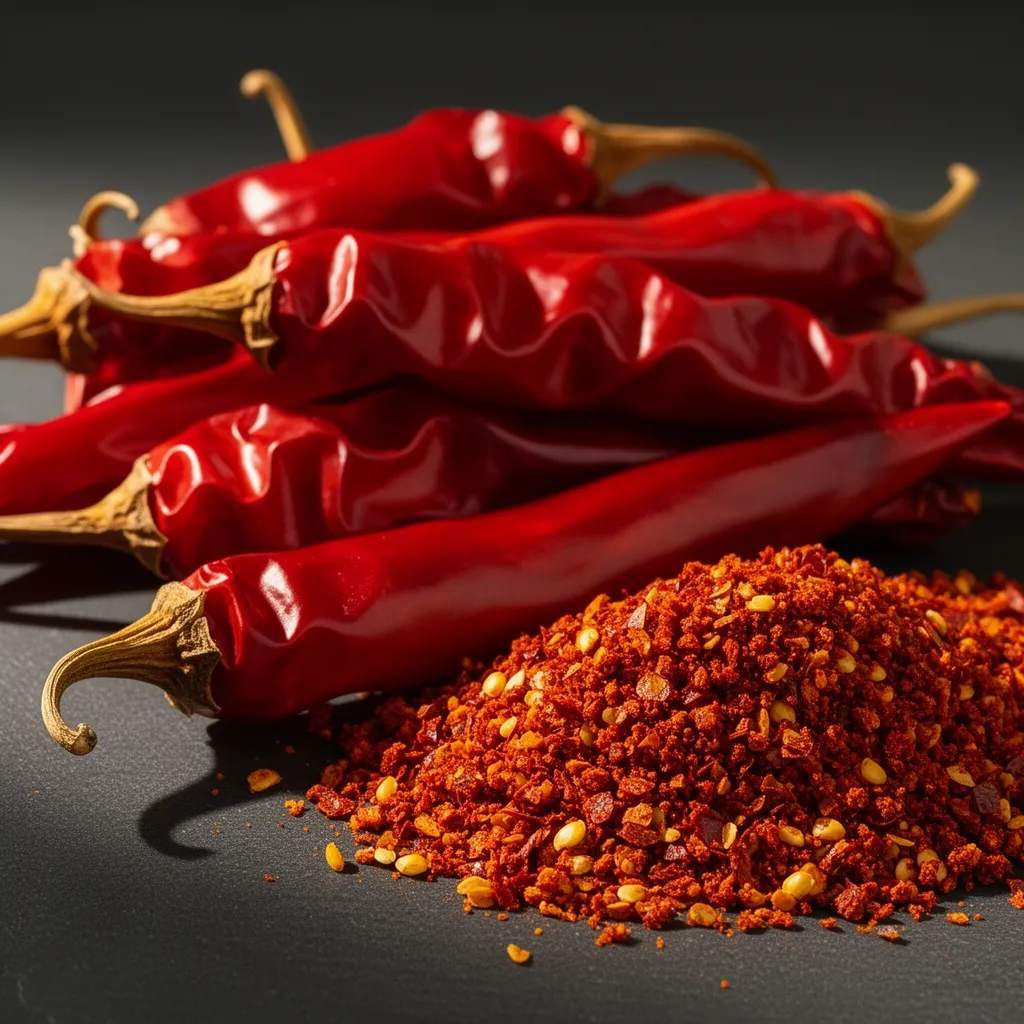
Whole Red Dried and Mashed Chilli: Processing, Uses, and Quality
Whole red dried and mashed chilli play a vital role in global cuisine. Cooks and food manufacturers value these chilli forms for their strong flavor, vibrant color, and long shelf life. Moreover, both varieties offer flexibility in cooking and food processing. From traditional kitchens to large-scale industries, red chilli continues to shape taste across cultures.
This article explains the origin, processing, characteristics, uses, storage, and trade importance of whole red dried and mashed chilli.
Introduction to Red Chilli
Red chilli belongs to the Capsicum family and originated in Central and South America. Over time, traders introduced chilli to Asia, Africa, and the Middle East. As a result, it became an essential spice in many traditional cuisines.
Today, farmers grow red chilli in several regions under different climatic conditions. Because of its adaptability and demand, chilli remains one of the most traded spices worldwide.
Whole Red Dried Chilli
What Is Whole Red Dried Chilli?
Whole red dried chilli consists of fully ripened red chillies that producers dry to remove moisture. This drying process preserves flavor, color, and pungency. Unlike powdered chilli, the chilli remains intact, which helps maintain quality during storage and transportation.
Processing of Whole Red Dried Chilli
Producers follow a careful process to ensure consistent quality:
-
Harvesting
Farmers harvest mature red chillies at peak ripeness. -
Cleaning
Workers remove dust, stems, and foreign matter. -
Drying
Producers dry the chillies under sunlight or in controlled drying units until moisture levels reach safe limits. -
Sorting and Grading
They then grade chillies by size, color, and heat level. -
Packaging
Finally, exporters pack the chillies in moisture-resistant bags.
This process helps retain aroma, color, and shelf stability.
Key Characteristics of Whole Red Dried Chilli
Whole red dried chilli offers several important features:
- Bright red to deep maroon color
- Strong natural aroma
- Long shelf life
- Natural heat and flavor
- No artificial preservatives
Because of these qualities, buyers prefer whole dried chilli for both household and commercial use.
Uses of Whole Red Dried Chilli
Cooks use whole dried chilli in many ways. For example, they roast it to release aroma or soak it to soften the skin. Additionally, food manufacturers use it in spice blends and seasoning mixes.
Common uses include:
- Curries and gravies
- Lentils and vegetable dishes
- Tempering (tadka)
- Oil and sauce infusions
- Industrial spice processing
Mashed Chilli
What Is Mashed Chilli?
Mashed chilli comes from crushed or coarsely ground dried red chillies. Unlike whole chillies, mashed chilli spreads heat evenly throughout dishes. Therefore, many cooks prefer it for faster and more consistent cooking.
Processing of Mashed Chilli
The production of mashed chilli involves several active steps:
- Selection of high-quality dried chillies
- Removal of stems, if required
- Crushing or grinding to desired texture
- Quality inspection for purity and consistency
- Hygienic packaging for storage and export
This method ensures uniform color, heat, and flavor.
Characteristics of Mashed Chilli
Mashed chilli offers practical advantages:
- Even heat distribution
- Rich red color
- Easy blending in recipes
- Time-saving for kitchens
- Available in coarse or semi-fine texture
As a result, it suits both home cooking and industrial food preparation.
Culinary Uses of Mashed Chilli
Mashed chilli works especially well in recipes that require quick mixing. For instance, chefs use it in marinades and sauces where even spice distribution matters.
Common applications include:
- Chutneys and pastes
- Meat and vegetable marinades
- Pickles and spice mixes
- Ready-to-cook foods
- Processed food products
Importance in Global Cuisine
Whole red dried and mashed chilli appear in many cuisines around the world. In South Asia, cooks use them in curries and lentils. Meanwhile, Middle Eastern dishes rely on chilli for depth and warmth. Similarly, African and Latin American cuisines use chilli in sauces and spice rubs.
Because of this wide usage, demand for quality chilli remains strong throughout the year.
Storage and Shelf Life
Proper storage helps maintain chilli quality and safety.
Storage Guidelines
- Store in a cool, dry place
- Avoid direct sunlight
- Use airtight packaging
- Protect from moisture and pests
When stored correctly, whole dried chilli can last 12 to 24 months. Mashed chilli usually lasts 6 to 12 months, depending on moisture content.
Role in Global Trade
Red chilli holds strong value in international trade. Exporters prefer whole dried and mashed chilli because they store easily and ship safely. Furthermore, food industries rely on consistent quality and heat levels.
To meet global standards, exporters focus on hygiene, grading, and proper packaging. As a result, high-quality chilli attracts buyers from multiple markets.
Quality Factors to Consider
Buyers should evaluate chilli based on several factors:
- Uniform color
- Clean appearance
- Strong aroma
- Consistent heat
- No mold or contamination
These factors directly affect taste, shelf life, and customer satisfaction.
Conclusion
Whole red dried and mashed chilli remain essential spice products in global cuisine and trade. Producers carefully process these chillies to preserve flavor, color, and quality. Meanwhile, cooks and manufacturers value them for versatility and convenience.
Whether used whole for traditional cooking or mashed for quick preparation, red chilli continues to define flavor across cultures and industries.
For more information Click Here